
Stripe IPO: The Most Anticipated Fintech Listing, at a $159B Valuation
Stripe is the most anticipated fintech IPO, valued at $159B in February 2026 and robustly profitable. The valuation history, why it stays private, and how to get exposure.

Guides and explainers on pre-IPO investing, IPO mechanics, implied valuations and the markets behind each company page.
Stripe is the most anticipated fintech IPO, valued at $159B in February 2026 and robustly profitable. The valuation history, why it stays private, and how to get exposure.
The most anticipated IPOs still ahead in 2026 and 2027, from Anthropic and OpenAI to Stripe, Databricks and Kalshi. What each company does, its valuation, and why investors are watching.

KNDS, the Franco-German maker of the Leopard 2 and Caesar, is heading for a Paris and Frankfurt IPO. Why this defense champion is a pure play on EU rearmament.

Anduril is the defense-tech disruptor everyone is watching. Here is why its IPO could be the next big one, from Lattice and Arsenal-1 to its $61B valuation.

Polymarket and Kalshi are the two giants of prediction markets, and both are eyeing an IPO. Here is how they compare on valuation, model, regulation and risk.

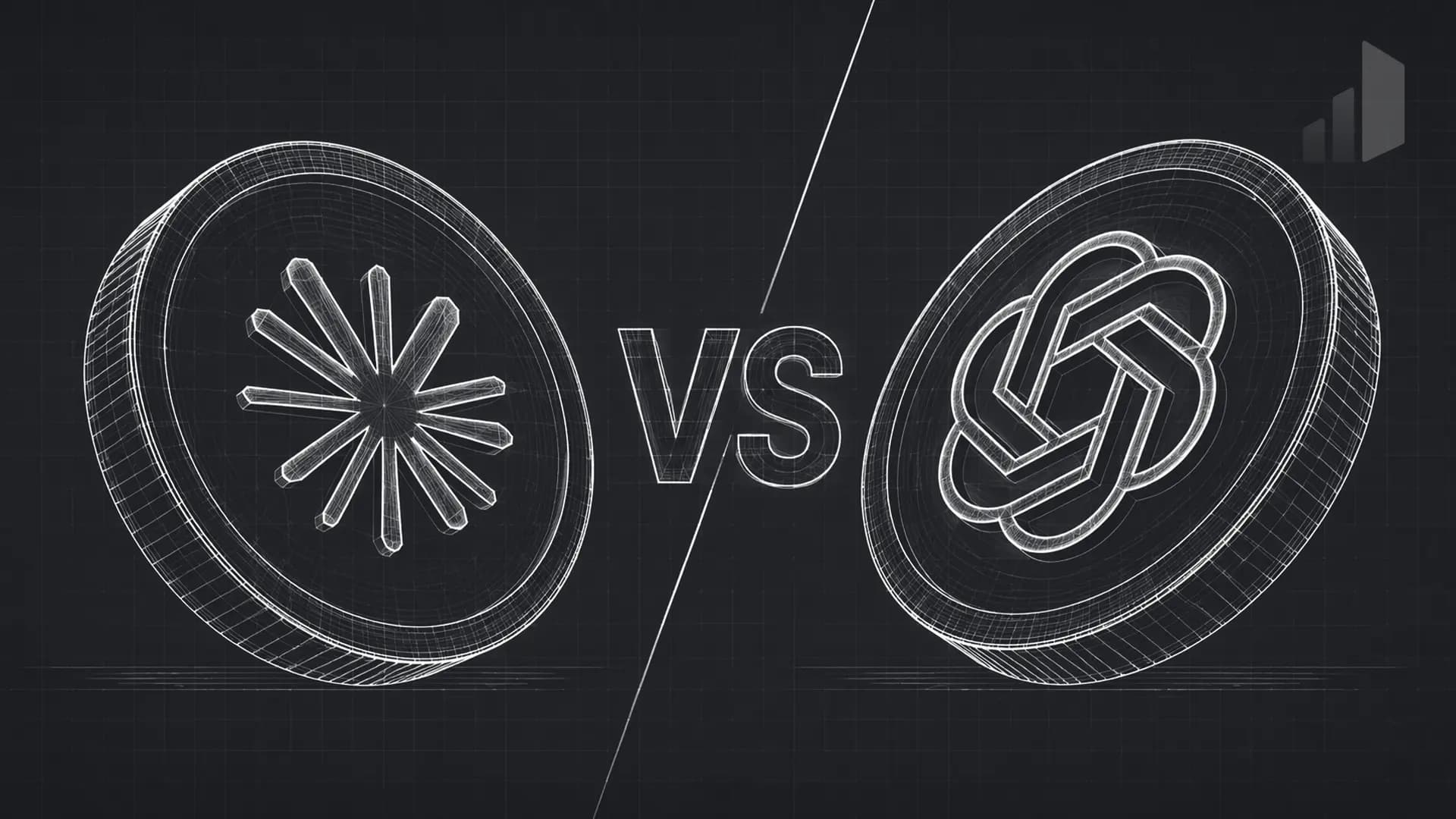
Anthropic and OpenAI have both filed to go public near a $1 trillion valuation. Here is how the two AI IPOs compare on growth, profitability, structure and risk.
Michael Burry warns that the next wave of mega-IPOs could test market liquidity and expose stretched valuations.

SpaceX lists as SPCX on June 12, 2026 at a ~$1.75T valuation. Should you buy on day one or wait? The case for and against — plus how to get exposure.

Discover how an IPO works, why companies go public, alternative routes to public markets, and the key considerations for retail investors.
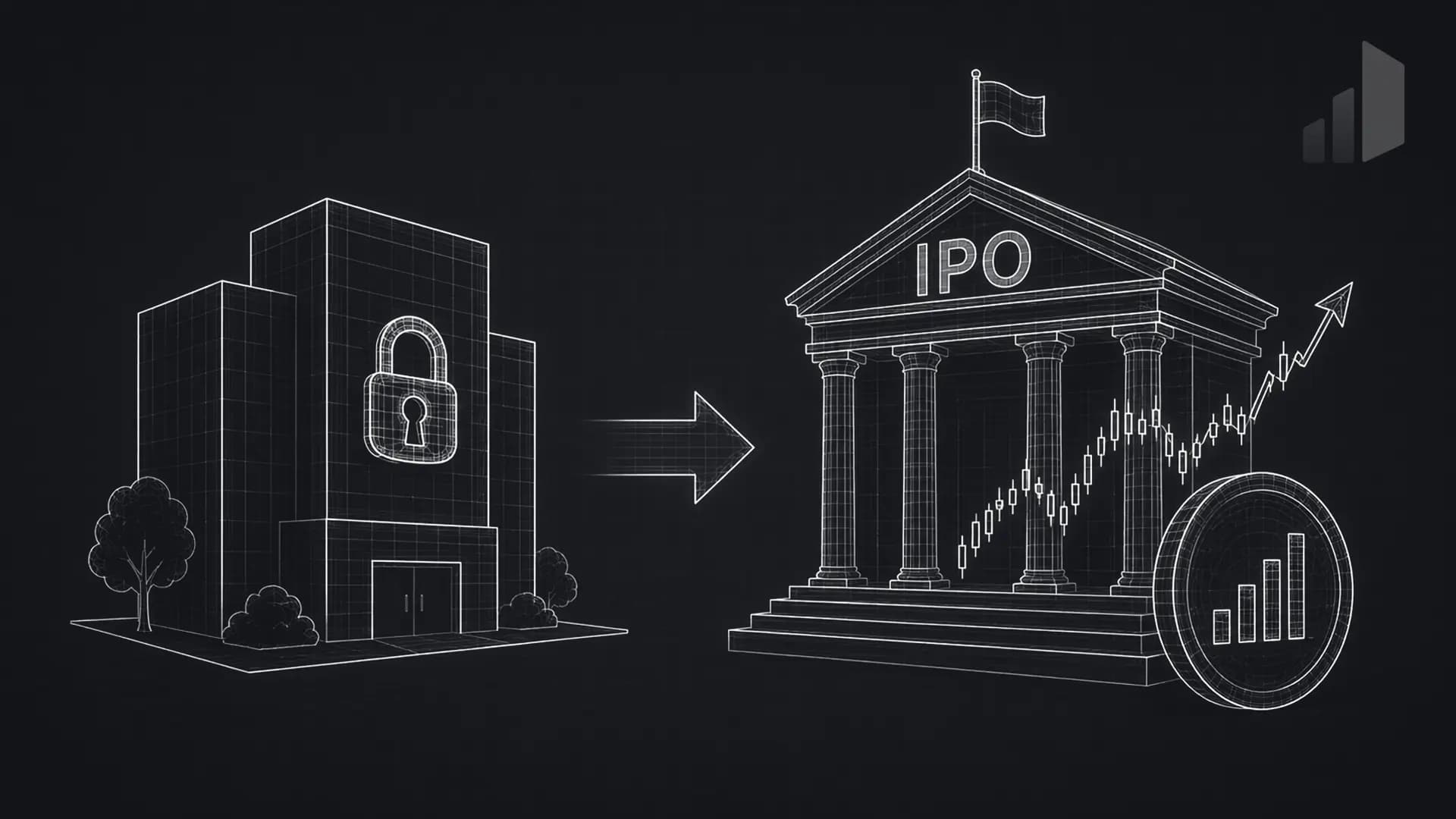
Understand the de-SPAC process, how a SPAC merger takes a private company public, and the key risks surrounding redemptions, PIPE financing, and post-merger trading.
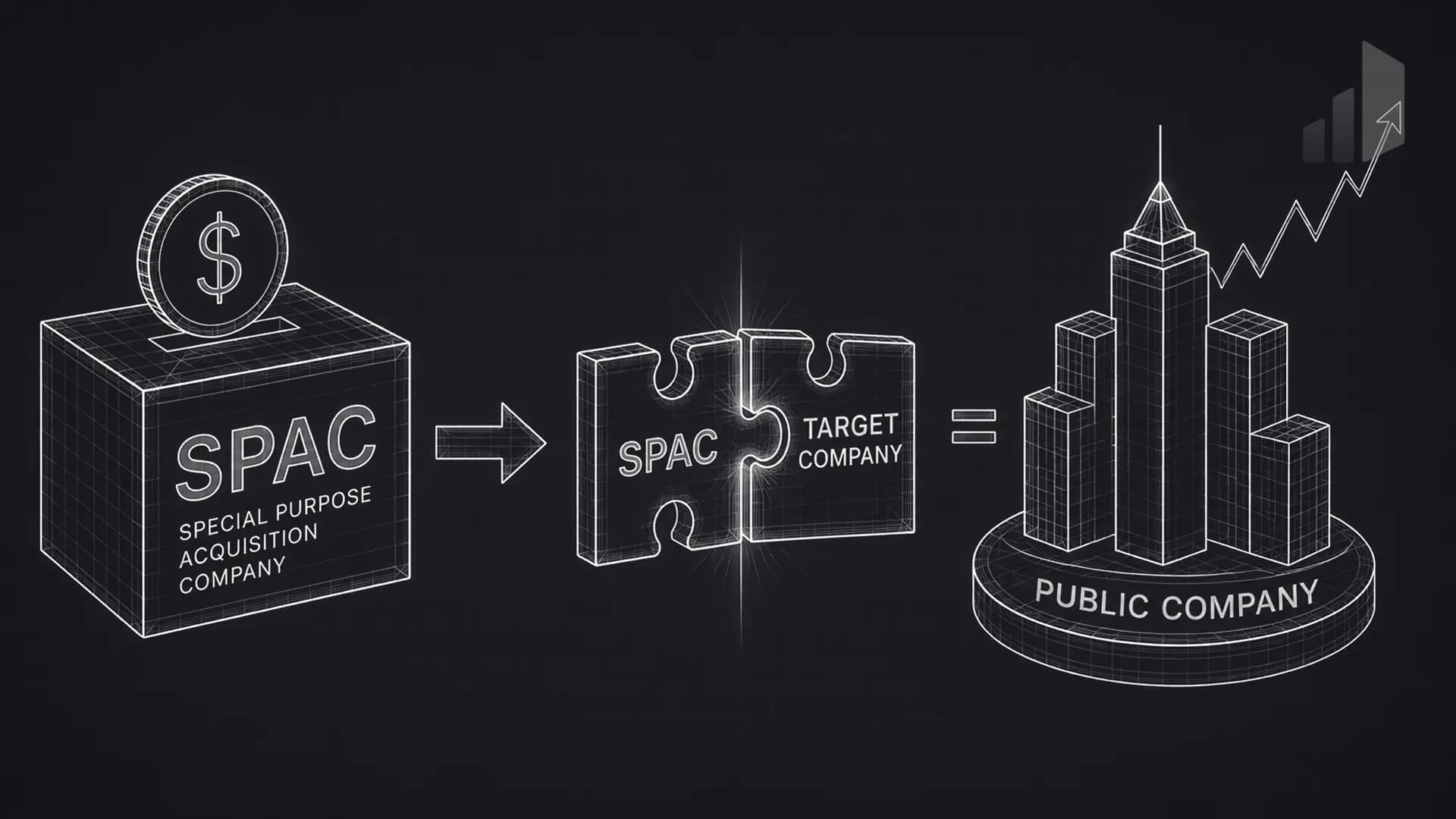
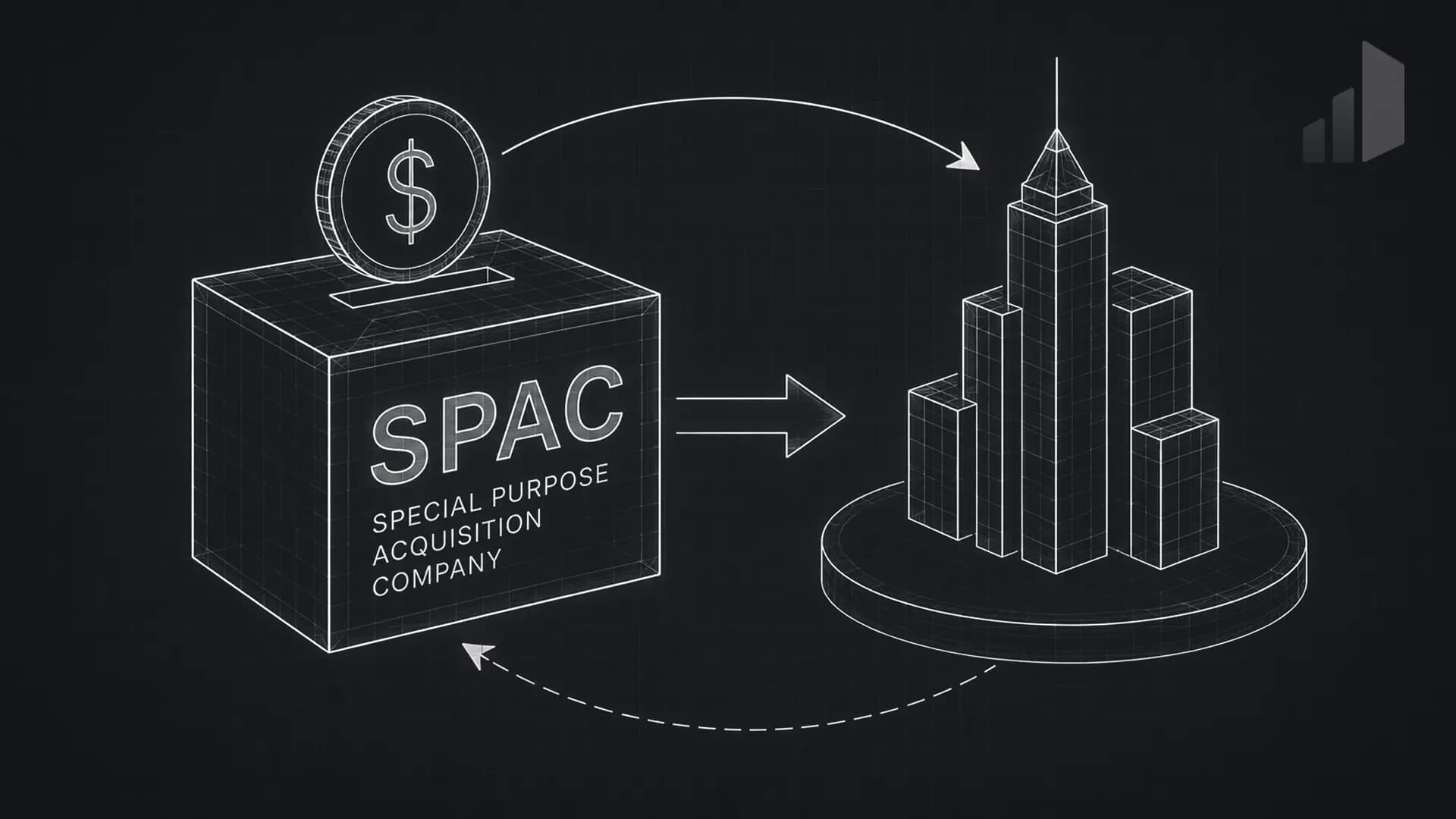
Learn what a SPAC (Special Purpose Acquisition Company) is, how it works, why companies use it to go public, and the risks investors should understand before investing.
Hyperliquid pre-IPO markets are perpetual futures: derivatives on private-company implied valuations, collateralized in USDC and traded with margin.

PreStocks turns pre-IPO companies into Solana tokens you can swap through Jupiter, giving spot price exposure without margin or liquidation.

SpaceX trades as two HIP-3 perps and a PreStocks token, each implying a different valuation. A walk through reading the company page.

Pre-IPO perps, tokenized equity, brokers: the same company priced four different ways. Here is what each one really is, and how to compare them.